1/114 Merrindale Dr
Croydon South, VIC 3136
(03) 8799 2974
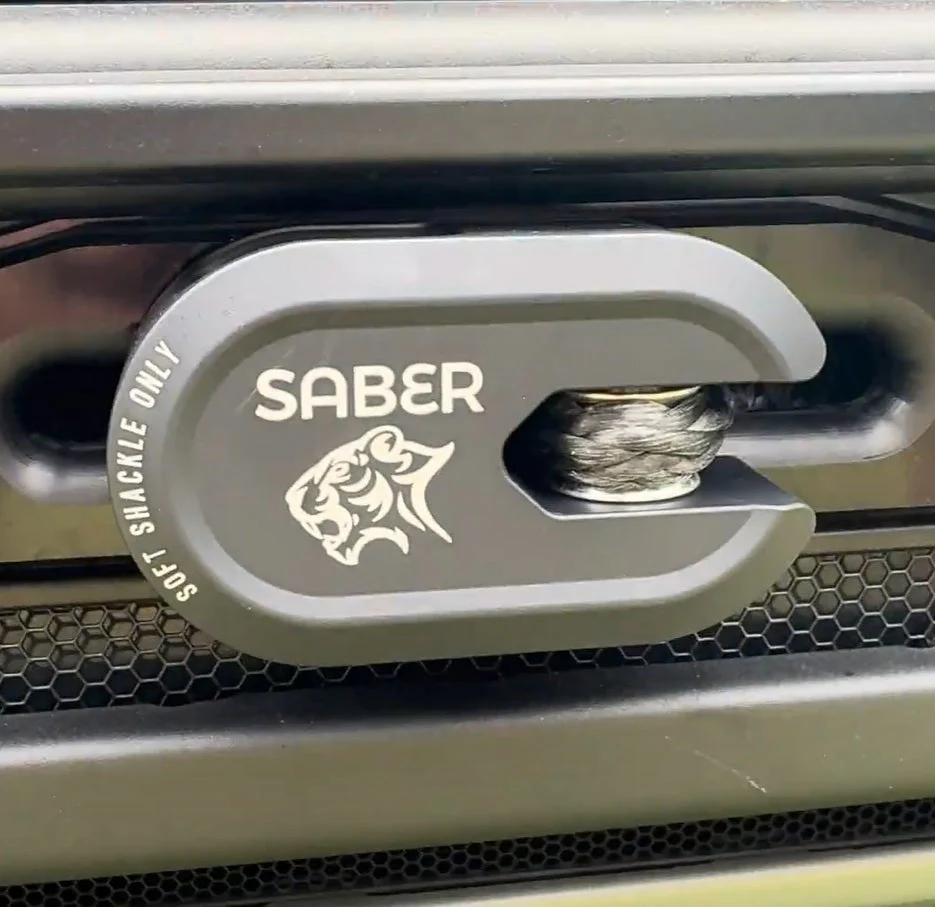
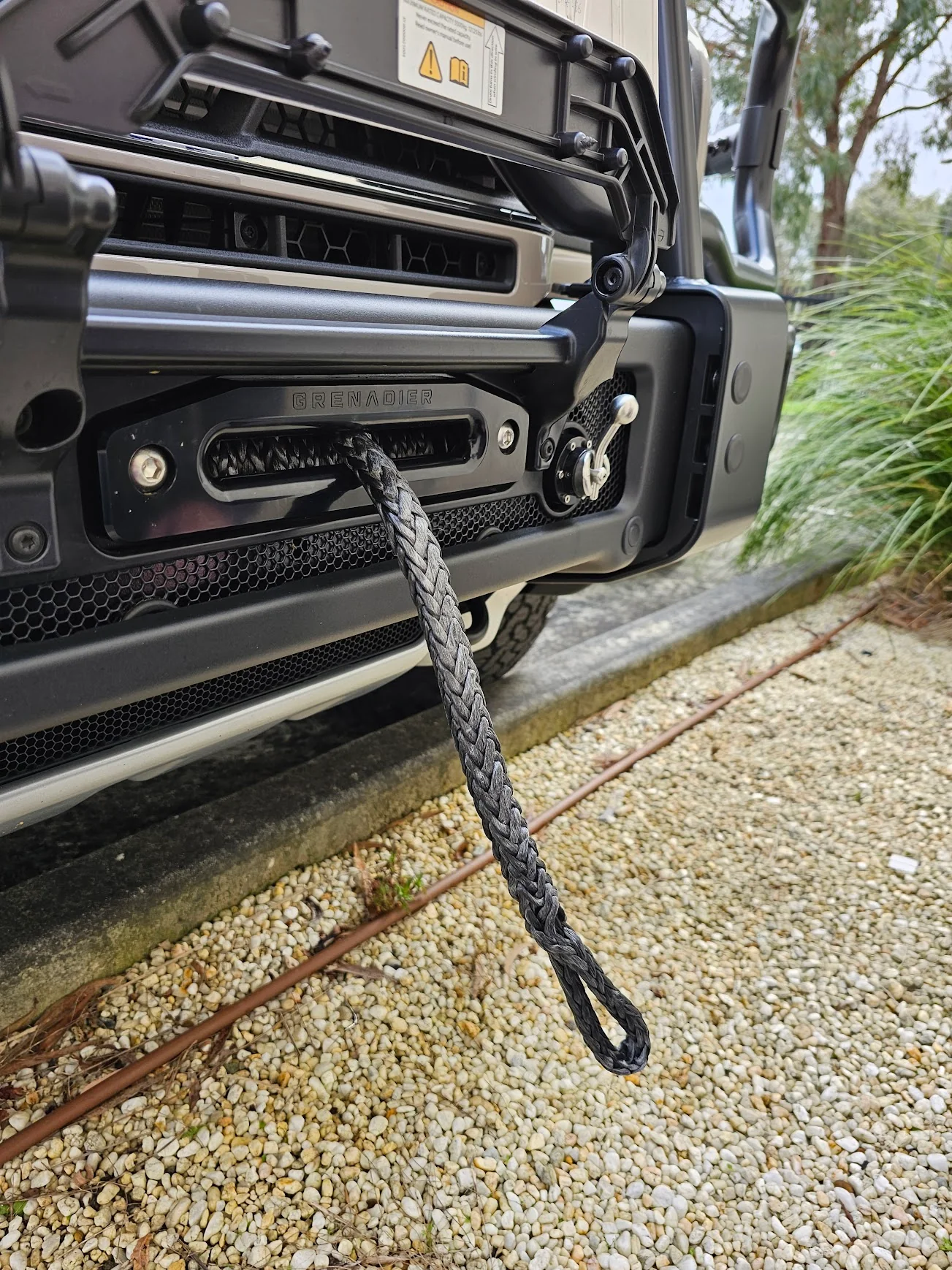
In rope terminology, a soft eye refers to a loop at the end of the rope formed purely by the rope itself – usually through a splice – without any metal thimble or insert. It’s a flexible rope loop, simple and lightweight.
By contrast, high-quality winch ropes use a reinforced eye: the loop is formed around a thimble or spool, giving the eye a fixed shape and proper bend radius.
Soft eyes can seem convenient, and they’re common in racing or lightweight setups, but for recreational 4WD users they bring long-term weaknesses that can shorten rope life and reduce safety.
Synthetic winch rope fibres (like UHMWPE or Dyneema®) are sensitive to how tightly they’re bent when under load. When a rope bends around a small object, the outer fibers stretch more than the inner ones, causing uneven stress. This reduces effective strength and speeds up fatigue. Static bend radius is the key concept here: the smaller the bend, the greater the stress concentration. Maintaining a generous bend radius is critical to preserving rope strength and longevity. When a soft eye is loaded on a small shackle pin or hook, it can pinch sharply, often at a radius much smaller than the rope manufacturer’s recommendations. That tight bend can reduce strength dramatically and cause early wear. Over time, the soft eye becomes a common failure point.
A thimble or rope spool gives the rope a static bend radius – a smooth, unchanging curve that spreads the load evenly across the fibres. This prevents crushing, abrasion, and fibre distortion. The result is higher retained strength and a longer service life. Thimbles also protect the rope from contact with hard or sharp metal surfaces, while maintaining a consistent loop shape under tension. Even with repeated cycles of loading and unloading, the rope maintains its structural integrity.
At Saber Offroad, we understand that bend radius and splicing geometry affect rope strength in real-world use — which is why every Saber rope and recovery product is batch tested to destruction as a finished assembly, not just at the fibre level. Our rated capacities account for the effects of bends, knots, and splicing under real working conditions. This ensures that every rating reflects how the product performs in your hands, not just in a lab test.
Without this protection, a soft eye can collapse around whatever hardware it’s attached to. That collapse tightens the bend radius, increasing stress and wear with each use.
If soft eyes have clear disadvantages, why do some ropes still feature them? The reasons depend on context:
You will see soft eyes used intentionally on winch extensions or recovery straps. That’s because these components often sit in the middle of a recovery system, where keeping everything lightweight and metal-free can reduce danger in the rare event of failure. However, even then, the soft eyes are typically large, well-protected, and used with soft shackles or large pins to maintain a gentle curve. They’re inspected frequently and retired at the first sign of wear. The primary winch rope, on the other hand, is a critical link and sees far more load cycles. This is where a reinforced thimble or spool termination is essential.
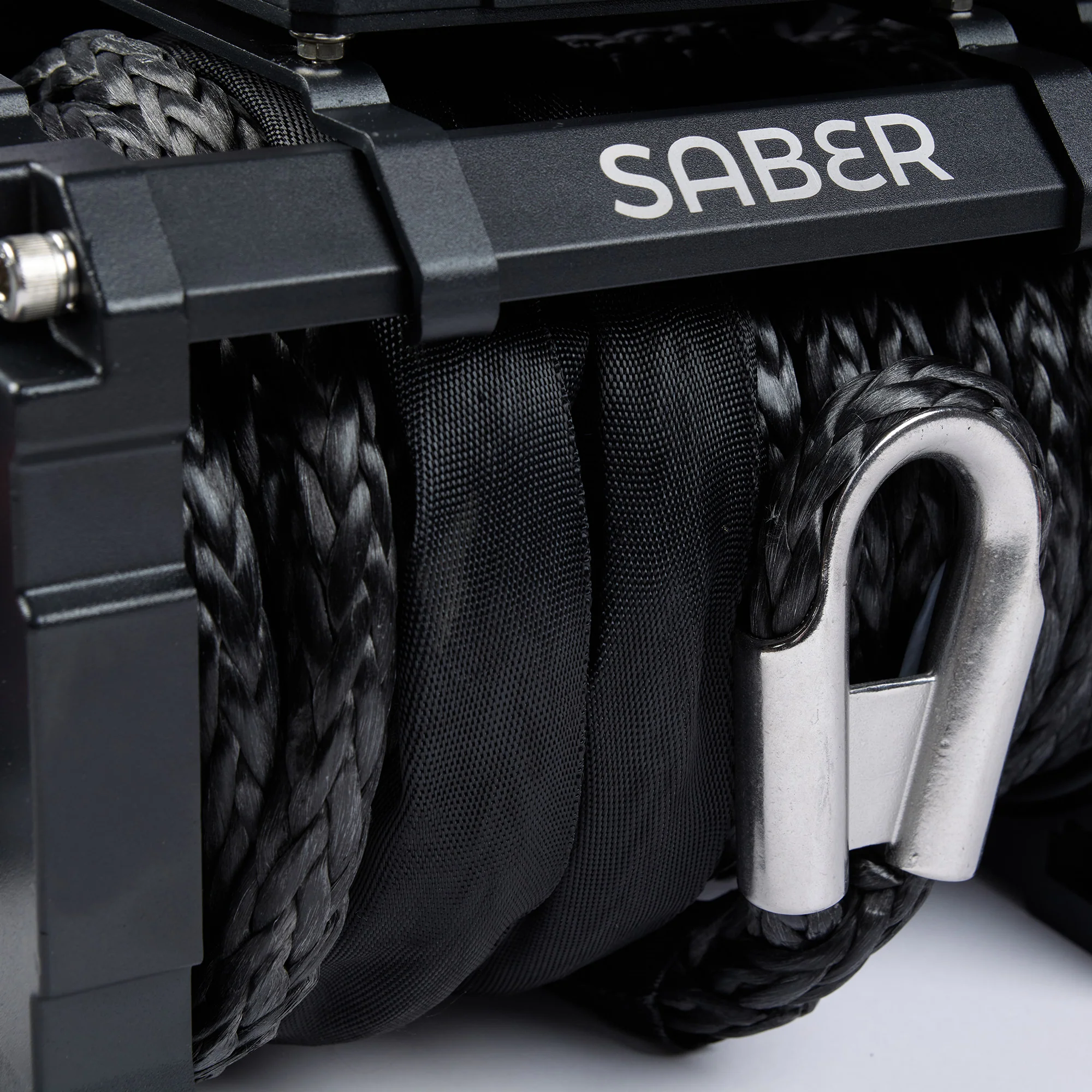
At the winch rope end – the most stressed and most used section – maintaining a proper bend radius is non-negotiable. A metal thimble, safety hook, or a Saber Rope Spool keeps that loop round and supported, preserving rope strength and extending its life. The Saber Rope Spool offers the advantages of a thimble without the downsides of metal. It’s a lightweight polymer insert that converts a soft eye into a reinforced, structured termination. The spool maintains a consistent bend radius, protects fibers from compression, and is fairlead-friendly. For anyone already running a soft-eye winch rope, fitting a Saber Rope Spool is the ideal retrofit solution – delivering the safety and performance of a reinforced termination without replacing the entire rope.
If your current winch rope has a soft eye, you can upgrade it easily. Most rigging or 4x4 shops can install a rope spool into the eye by unsplicing and resplicing the end. Once fitted, the rope gains a fixed radius and improved load distribution. It’s a small upgrade that delivers significant safety and durability benefits – exactly the kind of detail that separates a reliable recovery setup from a risky one. The Saber rope spool can be fitted easily without splicing on most softeye winch ropes.
In 4WD recoveries, every component matters. The winch rope’s end termination is one of the most critical points in your setup, and the difference between a soft eye and a reinforced eye can be the difference between a strong pull and a failed recovery. For long-term reliability, safety, and performance, avoid soft-eye winch ropes as your main line. Choose a rope with a proper thimble or add a Saber Rope Spool to your existing rope. It’s a simple, proven way to protect your investment and ensure you’re ready when recovery gets serious.
Saber its the Gear To Get You HOME!
To find the Saber Alloy Winch Shackle click here.